





If you were ever uncertain about when to start building a physical media collection of Blu-rays, DVDs, and even video games, that time is now. Whereas once the convenience of streaming and digital copies of titles and games seemed like the best deal for home entertainment consumers, the insidious side of all that ease is revealing itself.
Digital and downloadable content is not what it seems, and if you want to ensure ownership and quality, you need to collect physical media, and fast. Forget about streaming and subscription services: go get a disc right now.
Physical discs are going extinct
Companies are rolling back on manufacturing

The recent announcement by Sony that it will discontinue the physical PlayStation disc starting in January 2028 is a harbinger of dark times ahead. The declaration was meant with swift backlash and much worry about the future of ownership of video games. In a couple of years, gamers won’t be able to physically hold on to a disc, trade with friends, or donate them once they are finished playing.
There are a lot of ramifications, but it joins an entertainment trend that prioritizes digital copies instead of physical ones. Studios aren’t exactly saying they are going to discontinue physical copies of movies and shows, but they certainly are less common than digital ones. What’s heavily promoted is buying and renting movies when they are released for home consumption; you can pay for access to titles that have a certain shelf life, but you never physically have a copy.
All of that means is that it’s going to be harder to find physical copies of things you love. With increasingly fewer discs in circulation, that rarity is going to increase the price. They are going to be a special commodity worthy holding on to.
Physical discs represent ownership
Media in your hand belongs to you

Buying a game or movie, downloading to a console or TV, and having it accessible in your catalog does not equate to ownership. Only when you have a physical disc in your hand will you be able to claim that you actually own a piece of entertainment.
There are a lot of ways in which services and companies suggest to you that you have ownership or access. But you don’t. If you pay for a subscription service, whether it’s Netflix, Disney+, or PlayStation Plus, you are paying for access to a catalog, but what’s in that catalog is not guaranteed. It’s constantly changing, with titles added and subtracted every week and month. You are paying for a service and not actually ownership of anything. There’s no guarantee shows and movies will stay on the service for you to watch.
That service may include the option to download titles as well, making them available offline so that you don’t need to rely on Wi-Fi. But even downloading them to a drive doesn’t mean you own them either. If the service removes them from the platform, you will no longer be able to access them from your drive.
Even when you buy a digital copy of a movie via Apple or Google, you aren’t actually buying the title. You’re buying a license that grants access to that title. You can’t transfer the license, but you also aren’t promised to always have access to the title. The platform could shut down, change its terms, or lose its ownership over the title. Fortunately, these issues aren’t entirely common, at least for now. But they’re worth keeping in mind as you look at the broader landscape.
Why companies prefer digital copies
Digital is cheaper and easier to control

There are a bunch of reasons why companies are pushing digital copies of titles instead of physical ones, and they all have to do with cost. It’s cheaper and more convenient for companies to not manufacture physical copies and instead let you download copies of the things you want to watch and play. Companies don’t have to deal with actually creating the disc, the logistics that go into storing and shipping it, or any of the artwork or features that will accompany the disc. All of that means companies make more money off of a title. It’s all much simpler. And worse for the consumer.
Perhaps the big way in which companies make money this way is by preventing consumers from sharing the title with anyone else. You can trade a video game with another gamer when you’re done playing, and you can’t pass it along to a friend if you’re feeling over it. Discs can be resold, traded, or donated, and all of that means someone else can watch the movie or play the game without a company making money off of it.
With digital copies, your account has access to the title, which means it’s a lot harder to share. You can still access the title if you’re away from home, but you’ll need to log into whatever account has access to that. It becomes a lot more inconvenient. Companies prefer that you are locked into a platform because it means you always need to sign on in order to get access to it. When you sign on, you can be advertised, promoted, and sold more services and products. You can’t just pop in a movie; you have to go through a platform first that wants to sell you things and keep you busy.
Collect Blu-rays, DVDs, and video game discs

All of this means that it’s going to quickly become more expensive and less reliable to enjoy media at home. With physical discs, you’re taking precautions to ensure you have access to what you want to watch or game. Physical discs guarantee ownership. When you have a copy of something, it can’t be removed from your library by a company.
It also means that the content will remain unchanged, unless, of course, the title can be accessed and updated via the internet. Streaming catalogs change, and even the titles within them can be altered or edited. The version of the title on the disc you have will stay the way it is.
Owning a disc also means you can do whatever you want with it. You can store it away for years or lend it to a friend. You can even sell it for a lower cost than what you paid so that you make a bit of money back while someone else can pay less for the title, a pair of actions and results that companies hate, and you should definitely do.
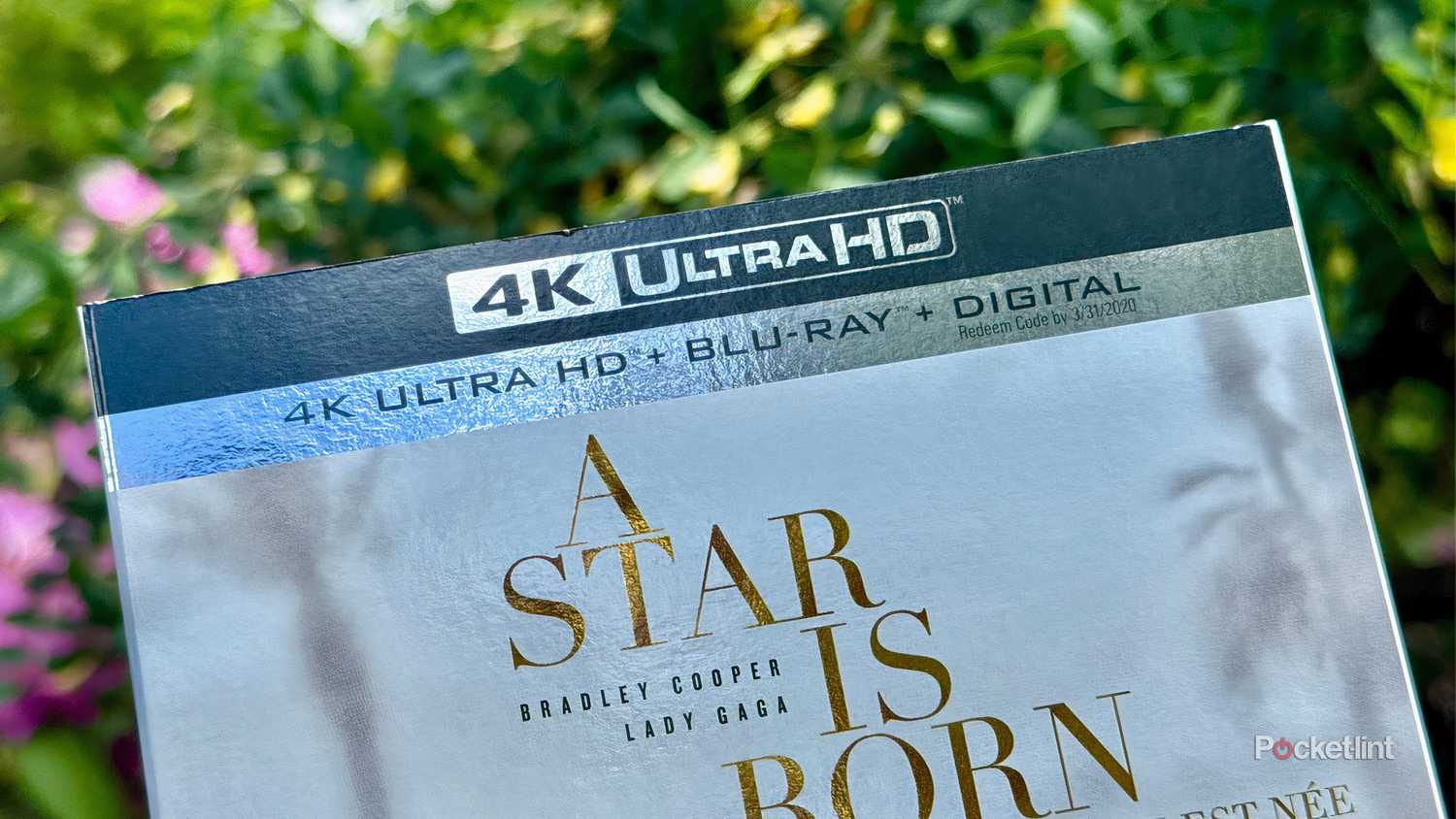
It’s also worth remembering that the quality of a title on a disc is generally going to be better, in some cases significantly better, than what you download, and definitely what you stream. When you stream a title, files are compressed in order for the title to be able to get to you via Wi-Fi. Movies and shows are simply too large; that’s why discs make for such a great medium. They can hold large files that include all the details and features you want when watching a movie or show. Even downloadable digital copies are going to be compressed to an extent, meaning you’re going to lose detail. There’s no true cinematic fidelity when it comes to downloading or streaming.
Ensure quality, obtain ownership, and prevent discs from going extinct by investing in physical media today.