





![The Director of ‘Sharknado’ Returns for More Mayhem With ‘Water Park Shark’ Sneak Peek [Exclusive]](https://static0.colliderimages.com/wordpress/wp-content/uploads/sharedimages/2025/11/0492463_poster_w780.jpg?q=70&fit=contain&w=480&dpr=1 "The Director of ‘Sharknado’ Returns for More Mayhem With ‘Water Park Shark’ Sneak Peek [Exclusive]")
Today the European Commission (EC) has announced two legally binding Digital Markets Act (DMA) decisions it’s made forcing Google to open up Android and Search to competitors.
First, Google has to give third-party AI assistants on Android access to key system features that are currently only available to Google’s own Gemini. Thus, when someone sets a third-party AI chatbot as their default assistant, it will be able to have a similar feature set. Right now 60% of EU users who have an Android device find third-party AI assistants less attractive than Gemini specifically because they can’t access the same functions.
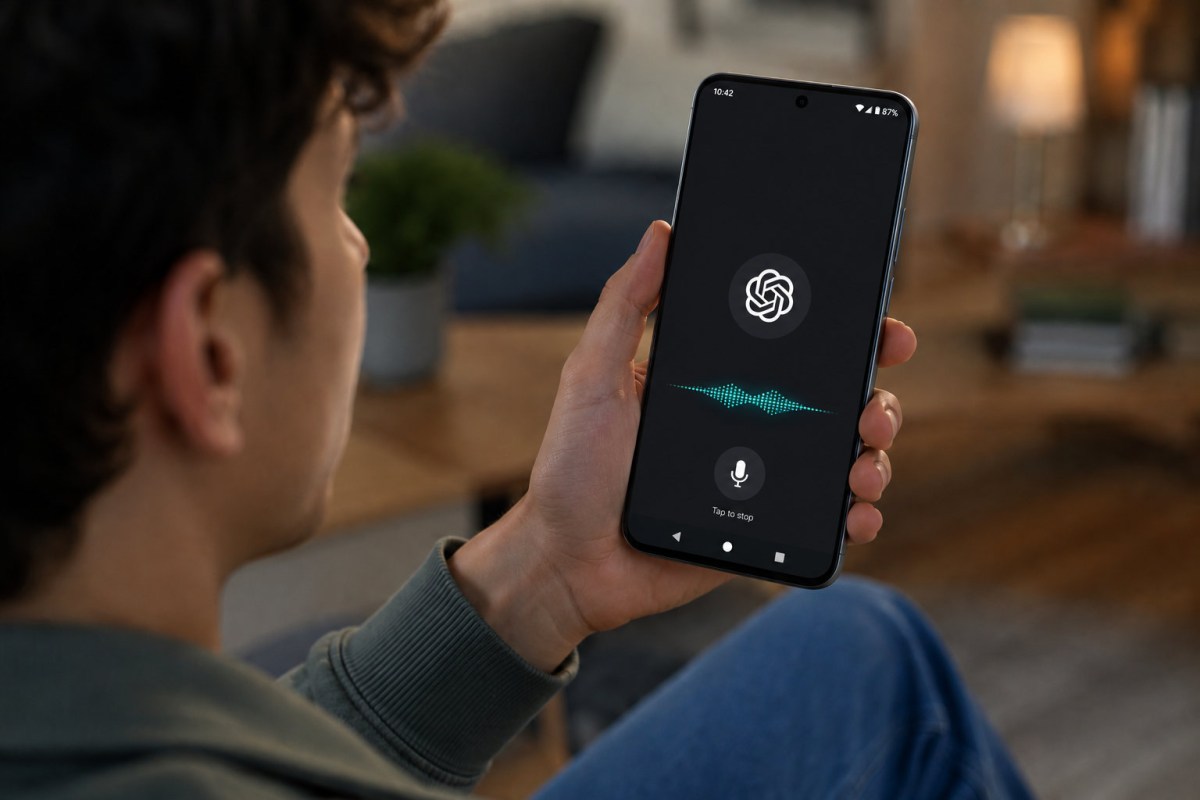
Thus, third-party options should be able to access the same core capabilities as Gemini, while maintaining privacy and security protections. Users should be able to activate a third-party AI assistant with their voice in a similar way to using the “Hey Google” command, and the assistants should be able to do things like book a taxi, give suggestions for relevant replies in chat apps, or tell you about a recently visited place. To enable that, they need to have access to your location history, your messages, and to be allowed to interact with other apps on your phone. All of these changes have to be rolled out in July 2027.
The EC has also ordered Google to share anonymized Search data with eligible third-party search engines, including AI chatbots with search functionality. The goal of this is to let third-party services improve their search products and thus be able to better compete with Google. The data that Google shares, should be exactly the same as it collects in order to optimize its own search services.
The anonymization of the data uses a multi-layered method developed in collaboration with “internal and external privacy experts”. Google can assess, before sharing any data, whether “sharing such data with a specific third party poses serious cyber security and data protection risks”. The EC’s decision has also laid out what it calls “a fair formula” to calculate the price of the shared data, and a transparent process for accessing the data. The data sharing mandate will have to be implemented by Google from January 2027.