



Your smart home knows a lot about you. It knows where you live, it knows when you’re home and when you’re away, it can hear what you say, and even see what you do. While some of this data is necessary for smart features to work, your smart home may be quietly leaking more than you realize.
Smart speakers and voice assistants
The wake word sometimes gets triggered by mistake
Many popular smart speakers are designed to listen for a specific wake word. Until that wake word is recognized, the things that you say shouldn’t be recorded. Once your speaker hears the wake word, whatever you say next is streamed to the cloud, where it’s processed to try to understand your intent so your smart speaker can take the appropriate action.
Wake words aren’t infallible. If you’ve used a smart speaker for any length of time, you will probably have had the experience where something you say is misheard as the wake word, and your voice assistant starts talking to you. Reading Harry Potter to my son would regularly make Siri kick into action every time the book mentioned Sirius Black.

Want a Smart Speaker That Doesn’t Rely on the Cloud? You Might Be Waiting a While
Think your smart speaker only listens when you call it? Think again!
The problem is that when the wake word is triggered accidentally, your smart speaker starts listening and sends everything it hears to the cloud. That audio can potentially be reviewed by human contractors, meaning that someone on the other side of the world could be listening to private conversations that were never meant to be heard.
- Display
-
No
- Dimensions
-
3.9” x 3.9” x 3.5”
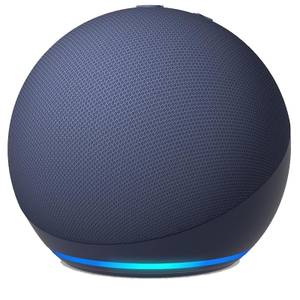
The Echo Dot offers a smaller form factor with the same spherical look. One of the coolest new developments in the Echo world is that the new 5th generation Dots include eero mesh network extenders. Pair one with a smart home powered by an eero mesh network and you get an instant coverage boost.
Cameras and video doorbells
Your video recordings could be used without your consent

Smart cameras and video doorbells can be incredibly useful. You can use them to monitor your home and answer the door even when you’re not home. However, many popular smart cameras and video doorbells rely on cloud services.
A Ring video doorbell, for example, uploads the video from your doorbell to the cloud. This allows you to access the recordings from your phone at any time, no matter where you are, which comes with risks. Data breaches aren’t the only concern, either. Ring has handed video footage to law enforcement agencies in the past without a warrant or user consent, and the current policy still allows Ring to do so under certain circumstances.

- Resolution
-
2K
- Power Source
-
Battery
Reolink’s battery-powered Wi-Fi video doorbell is a great way to know who’s outside. With a 2K resolution and a 150°x150° head-to-toe view, this video doorbell can be powered either over battery or wired, depending on your existing setup.
Thermostats, locks, and sensors
A timestamped record of your occupancy

The risks of your video recordings ending up in the cloud are fairly well-known, but there are other devices in your home where these risks are less obvious. Cloud-based smart locks, smart thermostats, presence sensors, motion sensors, and other smart home devices can all share data that can provide information about your routine.
Even if data is encrypted, the timing and size of the data packets can give away a lot of information. When your smart thermostat drops into eco mode, for example, it’s a solid indication that everyone has left the house. Motion and presence sensors can log which rooms you’re in and when, and all of this data can be combined to make an accurate pattern of your daily habits.

- Brand
-
Amazon
- Integrations
-
Amazon Alexa
Amazon’s smart thermostat is simple, and it’ll help you save money on your utility bills.
Smart TVs
Big Brother is watching what you’re watching

There are some smart home devices in your home that often get overlooked. It’s easy to forget that a smart TV is a smart home device, even when the name literally has the word “smart” in it. Your smart TV can share a surprising amount of data about you in the background.
Many smart TVs have some form of Automatic Content Recognition (ACR) that tracks what you’re watching on your smart TV and sends that information to the cloud. This can even track the content you’re watching on connected devices such as streaming sticks, not merely the built-in apps on your smart TV. Some popular brands of smart TV will take snapshots of your TV screen every few seconds and compare them to a huge database to identify exactly what it is that you’re watching.
This information isn’t just used to make your smart TV services work. Information about what you watch and how long you watch it for can end up being sold to advertisers without you being aware of what’s going on. ACR features hide under different names on different brands of smart TV, but you should be able to disable them through your TV’s settings once you know that they exist.
The benefits of a local smart home
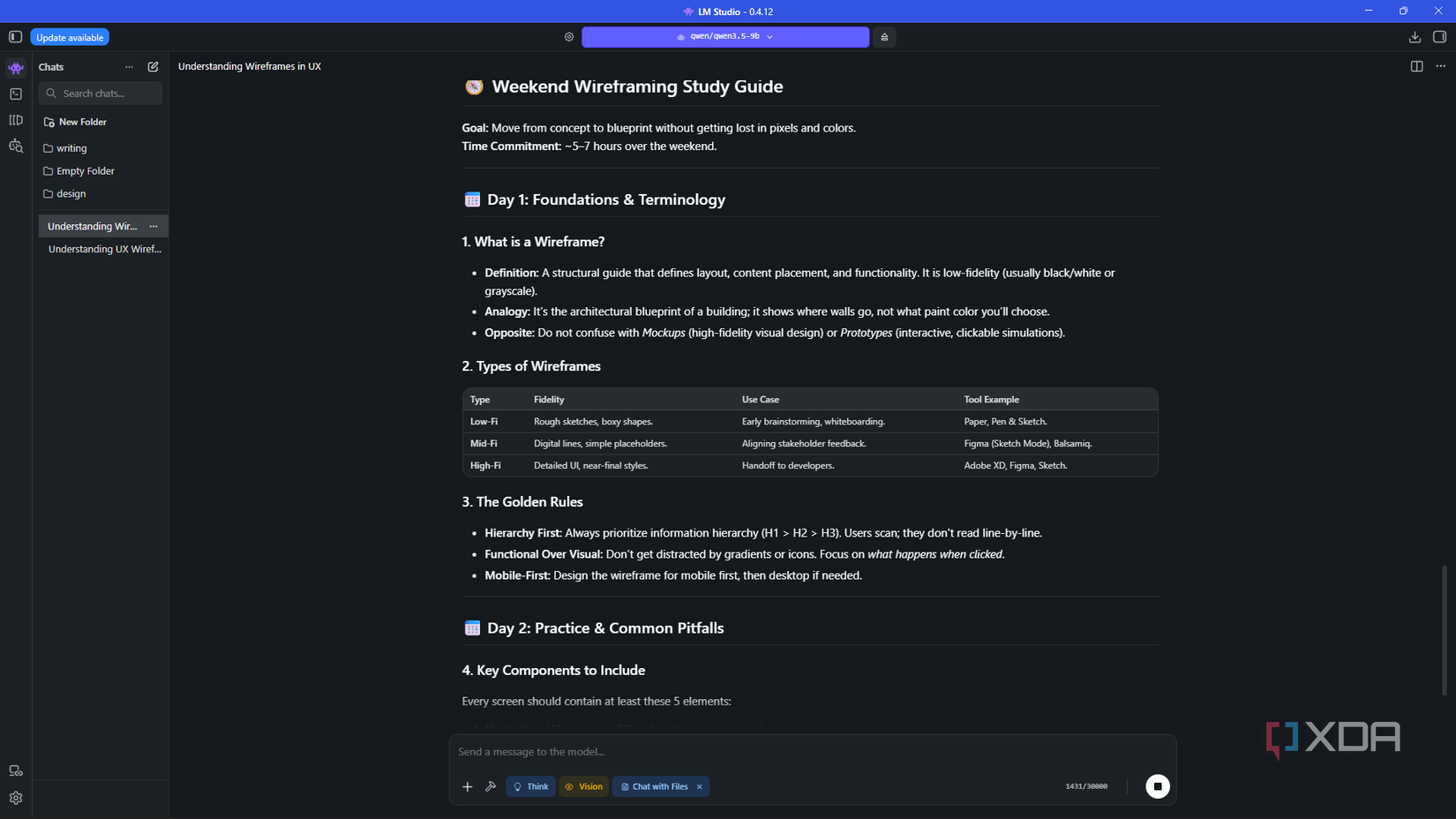
Before you start panicking and setting fire to your TV, none of this means you need to abandon your smart home. You just need to be aware of the types of things that are being exposed. There’s a lot you can do to mitigate things, such as opting for local control rather than cloud-based services using a system like Home Assistant. That way, your data never leaves your home network, so there’s far less risk of it falling into the wrong hands or being used in ways that you may not want.