







Fox Corporation has agreed to acquire Roku in a deal that values the streaming platform at approximately $22 billion, structured as a combination of cash and Fox Class A common stock at $160 per share.
Once complete, the merger would make the combined entity the third-largest force in U.S. television by share of viewing. Fox chief executive Lachlan Murdoch described the acquisition as the natural next step in a strategy the company had been executing for close to ten years. The deal is expected to close in the first half of 2027, pending regulatory approval.

Paramount Submits $108.4 Billion Hostile Bid For Warner After Netflix Deal
Paramount Skydance presented a hostile $108.4 billion bid targeting Warner on Monday, opposing Netflix’s $82 billion offer revealed on Friday.
Fox’s Acquisition Strategy

Murdoch made no effort to downplay what the deal meant for the company. “This is a defining moment for Fox, and a natural extension of the deliberate and focused strategy we have been executing for nearly a decade,” he said.
The strategic arc he described stretches back several years, with the Roku acquisition presented as the culmination of a series of deliberate moves. “In 2019, we reoriented the company around live news and sports.“
“In 2020, we acquired Tubi, and under our stewardship, it has become one of the most successful businesses in streaming. Today, we take the next step: bringing together the most valuable live content portfolio in video consumption with the preeminent streaming platform through which America watches it.“
Why Roku Is Valuable To Fox

Roku leads all streaming platforms for smart TVs in the United States, powering more than a quarter of all internet-connected devices in the country, according to research firm Parks Associates. Globally, more than 100 million households stream using Roku.
The platform gives users access to major services, including Netflix and Amazon Prime Video, through its operating system, installed on televisions and standalone streaming devices. Roku’s primary competitors in the space include Amazon’s Fire TV, Google TV, Chromecast, Apple TV, and Tizen.
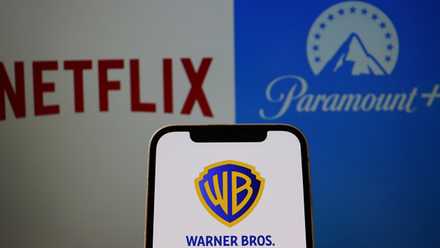
Netflix Pulls Out Of Warner Bros Bid As Paramount Completes Takeover
Netflix withdrew its $82 billion cash-and-stock bid for Warner Bros. Discovery assets, allowing Paramount Skydance to pursue a $111 billion takeover.
Roku’s Streaming Business

Roku was among the earliest companies to bring streaming services to mass audiences in the United States, developing an operating system that consolidates numerous streaming applications into a single interface.
The company also runs its own free streaming service, the Roku Channel, which offers films, television shows, and live news. Original productions on the platform include The Reunion: Laguna Beach, a reunion special of the MTV reality series that ended in 2006, and Honest Renovations, a renovation show hosted by Jessica Alba and Lizzy Mathis.
The Tubi-Roku Combination

Under the acquisition, the Roku Channel will combine with Fox’s Tubi to form one of the largest free streaming services in the United States. Bringing two major ad-supported platforms together gives the combined company real scale at a time when advertiser spending on streaming keeps growing.
According to consultancy Madison and Wall, streaming advertising is on course to generate around $20 billion by 2029, landing just below the total expected from traditional television advertising in the same period. Fox is betting that the combined platform’s scale will make it a harder competitor to ignore when advertisers start writing checks.
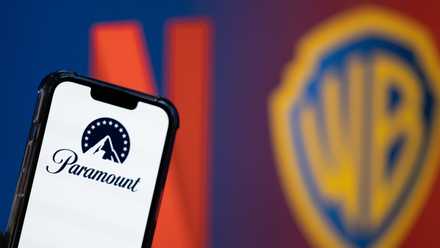
Paramount Accuses Netflix Of Campaign Against Warner Bros. Discovery Merger
Paramount accused Netflix of lobbying against its merger with Warner Bros. in a letter to the DOJ, while regulators are still reviewing the deal.
Fox’s View of Television’s Future

Fox used the Roku deal to speak openly about where the television industry is heading, acknowledging that viewers have largely walked away from fixed schedules for scripted and entertainment programming in favor of watching on demand.
At the same time, the company stressed “the enduring primacy of live sports and news,” treating those two content categories as the anchor of its long-term strategy.
The acquisition of Roku gives Fox control of a platform through which tens of millions of Americans already access all of their streaming content, placing the company at the center of how U.S. audiences watch television as viewing habits continue to change.


